The Power of Presence: Servant Leadership Lessons from Jesse Jackson and Dr. Francis C. Norman
The corporate landscape is shifting. If you have been keeping an eye on the latest reports from Bloomberg or the shifts in Nasdaq’s board diversity requirements, you’ve likely noticed a recurring theme: the "Command and Control" era of leadership is officially in the rearview mirror. Today’s most successful organizations: those highlighted by Goldman Sachs for their sustainable growth and human capital management: are prioritizing a different kind of leader. They are looking for leaders who understand that their primary function is not to be served, but to serve.
As an Industrial-Organizational (IO) Psychologist, I spend my days analyzing the intersection of human behavior and organizational efficiency. What I’ve found is that the most resilient teams aren't led by the loudest voices in the room; they are led by those who possess the "Power of Presence." This concept isn't just a soft skill; it’s a strategic advantage.
To truly understand this, we have to look at two titans of leadership: the Rev. Jesse Jackson and Dr. Francis C. Norman. Their lives and work offer a masterclass in servant leadership that every C-suite executive and aspiring leader needs to integrate into their professional DNA.
Defining Servant Leadership in the Modern Era
Before we dive into the lessons from Jackson and Norman, we have to define what we mean by servant leadership. In the world of IO Psychology, we often talk about the transition from "transactional" leadership to "transformational" leadership. Servant leadership takes this a step further. It is a philosophy where the leader's main goal is to serve. This stands in stark contrast to the traditional model where the team exists to serve the needs of the leader or the shareholders alone.
Servant leaders focus on the growth and well-being of people and the communities to which they belong. While traditional leadership generally involves the accumulation and exercise of power by one at the "top of the pyramid," servant leadership is different. The servant-leader shares power, puts the needs of others first, and helps people develop and perform as highly as possible.
Rev. Jesse Jackson: Presence over Presents
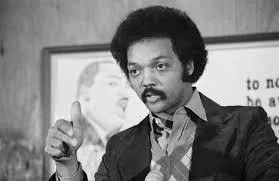
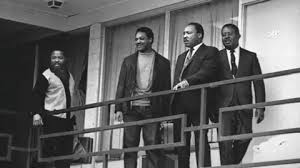
One of the most profound lessons we can learn from Rev. Jesse Jackson is the principle of "Presence over Presents." In a world obsessed with material incentives and "perks," Jackson’s leadership reminds us that true influence is born from being physically, emotionally, and morally present for your team.
For decades, Jackson has been a fixture on the front lines of social change. Whether he was negotiating the release of hostages abroad or marching for economic justice at home, his leadership was defined by his proximity to the people he served. In corporate terms, this means moving beyond the corner office. It means being present during the high-stress quarterly pivots and the late-night strategy sessions.
Jackson famously said, "Never look down on anybody unless you're helping him up."
This isn't just a nice sentiment for an Instagram caption; it’s a foundational principle for organizational health. When a leader adopts this posture, it eliminates the "us vs. them" mentality that often plagues large corporations. It builds psychological safety: a key metric we track in IO Psychology to predict team effectiveness. When employees feel that their leader is "in the trenches" with them, their engagement levels skyrocket. This is the kind of leadership that is celebrated in Essence for its community-building power and in business journals for its ability to reduce turnover.
Dr. Francis C. Norman and the "Liberty Leader Theory"
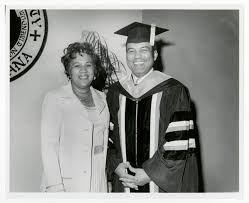
While Jackson represents the public-facing, moral presence of leadership, Dr. Francis C. Norman provides the academic and spiritual framework through his "Liberty Leader Theory." Drawing from his extensive doctoral work at Liberty University, Dr. Norman bridges the gap between biblical models of service and modern social-science leadership theories.
Central to Dr. Norman’s philosophy is the "no-reputation" posture. In a world of personal branding and LinkedIn influencers, the idea of having "no reputation" sounds counterintuitive, perhaps even dangerous for a career. However, Dr. Norman argues that humility is the key to sustainable organizational growth.
The "no-reputation" posture is based on the concept of kenosis, or self-emptying. In a business context, this means a leader is more concerned with the success of the mission and the elevation of the team than with their own accolades. When a leader isn't busy protecting their ego, they are free to make better decisions. They can admit when a strategy isn't working. They can listen to the entry-level analyst who has a brilliant idea.
Dr. Norman’s work highlights the tension between biblical servant-leadership and secular social-science models. While social science often views servant leadership as a tool for "increased productivity" (a means to an end), the Liberty Leader Theory views it as an identity (an end in itself). At Nobody Greater Inc., we believe that when leadership is an identity rather than a tactic, the results are more authentic and far more durable.
The Intersection: Leadership as Identity, Not a Title
When you look at the lives of Jesse Jackson and Dr. Francis C. Norman, the common thread is clear: leadership is who you are, not what you do. It is an identity that persists whether you are in a boardroom, a classroom, or a community center.
From an IO perspective, this identity-based leadership is the ultimate hedge against "founder burnout" and executive fatigue. When your leadership is based on a title, you are constantly fighting to protect that title. When it is based on the identity of a servant, you are constantly looking for ways to equip others. This shift in mindset is what allows leaders to scale. You stop being the bottleneck of your organization and start being the catalyst for its growth.
This is exactly why we developed our Leadership Development programs, specifically the Liberty Apex initiative. We don't just teach people how to manage spreadsheets; we help them adopt the posture of a servant leader. We help them find their "Power of Presence."

Engineering a Future of Servant Leadership
As we look toward the future, the demand for leaders who can navigate complex digital landscapes while maintaining a human heart is only going to grow. The "Power of Presence" isn't just about physical location anymore; it’s about digital presence and moral clarity in an automated world.
At Nobody Greater Inc., we understand the intersection of high-tech and high-touch. We know that to lead a diverse business team effectively, you need the right tools to take the "busy work" off your plate. This is why we created the NBG Pro Suite. By consolidating your CRM, funnels, and automation into one platform, we give you your time back. We give you the space to be "present" for your people rather than being buried in 15 different software subscriptions.
If you are a coach, consultant, or executive leader, your greatest asset isn't your intellect: it’s your presence. It’s your ability to look at your team and say, "I am here, and I am for you."
Ready to Adopt the Posture of a Leader?
The journey from a "command and control" manager to a servant leader requires both a shift in mindset and a shift in operations. Whether you need to refine your organizational culture through our Org Dev services or you are looking for a complete Business Solution to streamline your growth, we are here to help.
Don’t just build a business. Engineer a legacy. Explore our Digital Services and see how we can help you lead with power, presence, and purpose.
Leadership is a heavy lift, but you don't have to do it alone. As Jesse Jackson reminded us, we only look down to help someone else up. Let’s start climbing together. Reach out to us at Nobody Greater Inc. and let’s discuss how the Liberty Apex program can transform your leadership identity.
